Sloth Embroidery Design: A Craft Fair Review
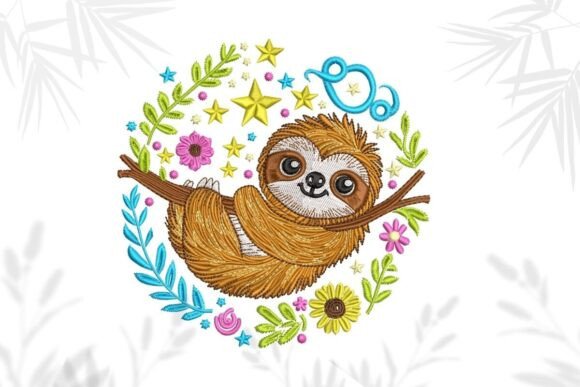
As I prepare my inventory for the upcoming weekend craft fair, I am constantly evaluating which digital assets will translate best into physical sales. When reviewing the Sloth Embroidery Design, my immediate assessment is that this is a high-potential asset for vendors targeting the whimsical, nature-loving demographic. The description promises an adorable sloth hanging from a branch, surrounded by colorful stars, flowers, and leaves. From a professional designer’s perspective, this combination of elements suggests a style that bridges the gap between nursery cute and boho-chic aesthetic. It does not feel overly juvenile; rather, it possesses a decorative quality that appeals to adult buyers looking for lighthearted but well-crafted handmade products.
For Etsy sellers and boutique makers, first impressions at a booth are everything. This machine embroidery design reads as soft yet vibrant. The inclusion of botanical elements like leaves and flowers alongside the celestial stars adds a layer of complexity that elevates it above a standard cartoon character. It feels festive without being seasonal, making it a reliable staple for year-round commercial embroidery production. When displayed on a table, the multi-element composition draws the eye because it offers visual texture, distinguishing it from simpler, single-subject baby animals designs.
Best Product Applications for Market Sales
Determining where to place this design is crucial for maximizing return on investment. Based on the intricate description involving branches and surrounding flora, the Sloth Embroidery Design performs best on medium-to-large canvas items where the details can breathe.
- Tote Bag Design: This is arguably the strongest application. Canvas tote bags provide a stable, flat surface ideal for the mixed stitch types likely present in the foliage and stars. The whimsical nature of the sloth aligns perfectly with the eco-friendly, relaxed vibe of reusable market bags. Customers at craft fairs often purchase totes as impulse buys, and this design has the necessary visual weight to justify a premium price point.
- Tea Towel Embroidery: Kitchen linens are a craft fair staple. However, because this design includes small details like stars and leaves, I recommend using high-quality, smooth-weave flour sack towels rather than textured terry cloth. The botanical border elements frame the sloth beautifully, turning a functional item into a piece of kitchen decor. This works exceptionally well for gift sets.
- Apron Embroidery: For the baking and gardening niche, this design adds personality to utility wear. Placing the sloth on the chest pocket area or centered on the bib creates a focal point that photographs well for online listings. The "hanging" posture of the sloth mimics the way an apron hangs, creating a cohesive visual metaphor that resonates subconsciously with buyers.
- Fabric Pouches and Zipper Bags: Smaller versions of this embroidery file can serve as excellent accent pieces on cosmetic bags or pencil cases. These are high-margin small shop products that allow you to utilize leftover stabilizer and fabric scraps while testing market demand for the design at a lower price entry.
Production Practicalities and Stitch Performance
A beautiful digital file must also be a practical production asset. When preparing this Sloth Embroidery Design for batch production, there are specific technical considerations to ensure the finished product meets professional standards. The description mentions colorful stars and leaves, which implies multiple thread changes. For a craft fair prep run, efficiency is key. I advise organizing your production queue to group similar colorways together to minimize downtime.
Stitch density is a critical factor here. Designs featuring both solid fill areas (likely the sloth body) and delicate line work (branches and stems) require careful stabilization. If the density is too high on the leaf elements, you risk puckering on lighter fabrics like tea towels. Conversely, if the stars are merely outline stitches, they may get lost on nubby fabrics. Always verify the hoop size requirements before committing to a production run. While the design is versatile, resizing it down significantly for items like caps or patches requires caution. Tiny details in the flowers and stars may merge or become unclear at smaller scales. For embroidered patches, you may need to simplify the file or choose a larger patch size to maintain the integrity of the botanical accents.
Visual Merchandising and Customer Engagement
At a physical market, your booth display strength depends on how quickly a customer understands the product's value. The Sloth Embroidery Design excels here because it tells a micro-story. Unlike abstract patterns, the narrative of a sloth resting among nature evokes an emotional response of calm and happiness. This emotional connection drives buyer engagement faster than generic motifs.
For digital sellers and those maintaining an online presence during the fair, this design is highly photogenic. The contrast between the sloth and the colorful surrounding elements creates natural depth in photos. When creating a printable mockup for your Etsy listing, ensure the background color complements the thread colors used in the design. A mockup that accurately represents the scale of the flowers and stars relative to the sloth helps manage customer expectations and reduces returns. Furthermore, offering this as part of a themed collection—perhaps matching baby animals nursery decor with adult tote bags—can increase average order value by encouraging bundled purchases.
Essential Designer Notes for Quality Control
Before listing any finished product derived from this embroidery file, rigorous testing is non-negotiable. As experienced makers know, screen rendering differs vastly from needle penetration. Follow this checklist to ensure your handmade product stands up to scrutiny:
- Test on Scrap Fabric: Never run the first production piece on saleable goods. Test the Sloth Embroidery Design on the exact fabric and stabilizer combination you intend to use. Check specifically for registration issues where the stars meet the leaves.
- Evaluate Thread Contrast: Ensure the sloth stands out against the branch. If using tonal threads for a subtle look, verify that the definition remains clear from a distance of three to five feet—the typical viewing distance at a crowded booth.
- Check Stabilizer Compatibility: For the tote bag design, use a heavy-duty cut-away stabilizer to support the density of the filled areas. For tea towel embroidery, a tear-away or wash-away topper may be necessary to prevent stitches from sinking into the weave.
- Verify Commercial Licensing: Before selling finished goods or the digital embroidery file itself, confirm the license terms. Ensure you have the right to produce commercial embroidery items for craft fairs and online platforms.
- Create Real Mockups: Digital renderings are useful, but photographing a real sample builds trust. Show the texture of the stitches and the drape of the fabric. This confirms to the buyer that the design assets translate well to reality.
- Inspect Small Details: After stitching, examine the smallest stars and flower centers. If they are pulling or fraying, adjust the tension or consider editing the file to add underlay stitches for better coverage.
Ultimately, the Sloth Embroidery Design represents a versatile opportunity for creative entrepreneurs. Its blend of character charm and decorative botany makes it suitable for a wide range of applications, from nursery gifts to adult accessories. By paying attention to fabric texture, stabilizer choice, and visual merchandising, you can transform this digital file into a best-selling craft fair product that delights customers and strengthens your brand identity. Whether you are stocking an Etsy shop or setting up a weekend booth, this design offers the whimsy and quality necessary to capture attention in a competitive handmade market.