Mama’s Kitchen Helper: An Embroidery Design Review
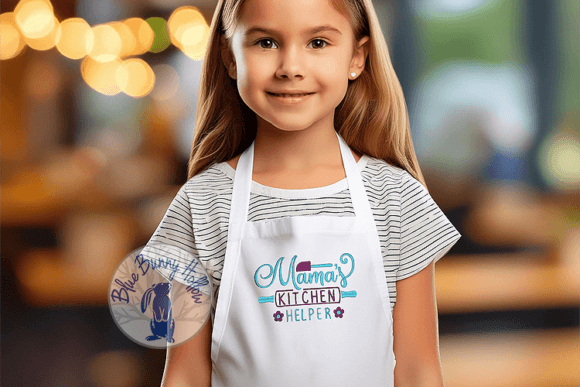
As a professional embroidery designer constantly sourcing assets for both custom client orders and my own Etsy shop, I approach every new machine embroidery design with a critical eye. It is not enough for a graphic to look appealing on a screen; it must translate beautifully through needle and thread. Recently, while browsing Creative Fabrica embroidery collections for upcoming kitchen-themed projects, I evaluated "Mama’s Kitchen Helper." This design, featuring a whimsical combination of a spatula, rolling pin, and delicate flowers, immediately caught my attention as a potential staple for Kitchen Cooking merchandise. Below is my honest assessment of how this digital embroidery file performs in real-world production scenarios.
First Impressions and Visual Mood
The initial appeal of Mama’s Kitchen Helper lies in its balanced composition. In the world of Embroidery, achieving a cohesive look between hard-edged tools and organic floral elements can be challenging. This design manages that balance effectively. The visual mood is nostalgic yet fresh, evoking a sense of heritage baking without feeling dated. For a designer, this versatility is crucial. It does not pigeonhole you into a single aesthetic; it could easily fit a modern farmhouse apron or a vintage-inspired nursery wall hanging.
From a technical standpoint, the line work appears clean. When evaluating an embroidery file, I look for smooth curves and logical stitch paths. The integration of the utensils with the florals suggests careful digitizing, where the transition points are likely reinforced to prevent gaps. This level of detail indicates that the design was created with actual stitching in mind, rather than being a simple auto-digitized conversion of a vector image. For those creating design assets for sale or commercial use, this baseline quality is non-negotiable.
Real-World Application: Tote Bags and Aprons
I considered Mama’s Kitchen Helper specifically for a recent batch of canvas tote bags and linen aprons intended for a local craft fair. These items require designs that hold up against texture and wear. Canvas, in particular, can swallow fine details if the stitch density is too low. Based on the design's structure, the utensil handles appear substantial enough to maintain definition on textured fabrics, while the floral elements likely utilize a lighter fill stitch or running stitch to add dimension without excessive bulk.
For aprons, placement is everything. This design seems sized appropriately for center-chest or lower-pocket placement. However, because aprons are subject to frequent washing and high heat, I always advise testing the thread colors for colorfastness before mass production. The whimsical nature of the spatula and rolling pin motif makes it an excellent candidate for a personalized gift. Adding a monogram or name beneath the design transforms it from a generic graphic into a cherished keepsake, significantly increasing the perceived value of the handmade product.
Navigating Fabric Variables and Stabilization
One of the most critical aspects of reviewing any commercial embroidery asset is understanding how it behaves on difficult substrates. Mama’s Kitchen Helper includes delicate floral accents which can be tricky on stretchy knits like sweatshirts or t-shirts. If you plan to use this for sweatshirt embroidery, proper stabilization is mandatory. I recommend using a cut-away stabilizer to support the intricate details and prevent puckering around the satin stitch borders.
Furthermore, consider the hoop size requirements before purchasing. While the description highlights the charming elements, you must verify the specific dimensions in the product details on Creative Fabrica to ensure it fits your machine’s capabilities. If you are working with small hoop sizes, check whether the design can be resized safely. Reducing complex designs by more than 10-15% can sometimes cause satin stitch columns to become too narrow, leading to thread breaks or loss of detail. Always run a test stitch-out on scrap fabric that matches your final project’s weight and weave.
Commercial Viability for Sellers and Entrepreneurs
For Etsy sellers and small business owners, time is money. A well-digitized design reduces thread trims, minimizes registration issues, and decreases production time. Mama’s Kitchen Helper appears optimized for efficient stitching, which directly impacts profit margins. Beyond efficiency, the design’s broad appeal makes it suitable for various niches. It works equally well as a tote bag design, a decorative element on tea towels, or even as an embroidered patch for denim jackets.
When listing finished products, presentation drives sales. This design photographs exceptionally well because of its distinct silhouette. For printable mockups or product photography, the contrast between the kitchen tools and flowers creates a natural focal point. This visual clarity helps customers instantly understand the theme, improving engagement and conversion rates. Additionally, offering this design across multiple product types—from baby bibs to adult apparel—allows for brand consistency within a shop, building buyer trust and encouraging repeat purchases.
Technical Due Diligence and Best Practices
Before integrating Mama’s Kitchen Helper into your production lineup, there are several practical steps to take. First, confirm the licensing terms on the Creative Fabrica product page. Understanding whether you have rights for physical product sales versus digital distribution protects your business. Second, inspect the file formats included. Ensure compatibility with your specific embroidery machine to avoid costly conversion errors.
- Test Stitching: Always sew out a sample on the exact fabric you intend to use. Check for tension issues and registration alignment between the utensils and flowers.
- Thread Contrast: Evaluate visibility on both light and dark fabrics. You may need to adjust underlay or thread color choices for dark garments to make the delicate flowers pop.
- Stabilizer Selection: Match your stabilizer to the fabric weight. Use tear-away for stable wovens like towels and cut-away for stretchy knits or fleece.
- Detail Inspection: After stitching, examine the smallest floral leaves and utensil tips. These areas are most prone to digitizing flaws or tension problems.
- Mockup Verification: Compare your physical stitch-out against digital mockups to ensure accurate representation in your marketing materials.
Elevating Handmade Value Through Thoughtful Design
Ultimately, the success of an applique design or standard embroidery motif depends on how well it serves the end user. Mama’s Kitchen Helper succeeds because it tells a story. It celebrates the joy of cooking and family connection, which resonates deeply with buyers seeking meaningful decor or gifts. Whether you are creating a seasonal handmade gift for a grandmother or stocking your boutique with evergreen kitchenware, this design offers a reliable foundation.
However, remember that no digital embroidery file is perfect for every situation. Your expertise as a crafter lies in adapting the design to your specific context. By verifying stitch counts, testing on relevant fabrics, and respecting the technical limitations of your equipment, you ensure that Mama’s Kitchen Helper delivers professional results. It is a charming addition to the Kitchen Cooking category that, when executed correctly, enhances both the aesthetic and commercial value of your embroidery portfolio. Always refer back to the original product listing for the most current specifications regarding file formats, dimensions, and usage rights before beginning your next project.