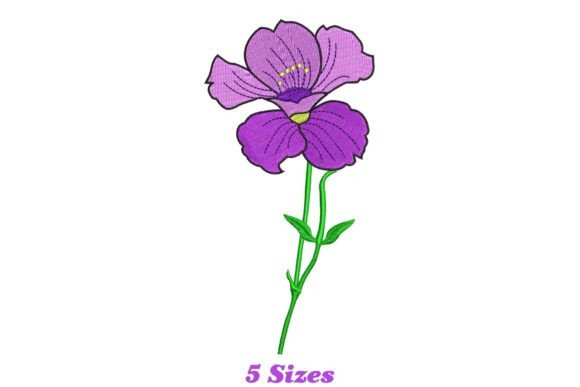
Violet Flower: A Craft Fair Embroidery Review
As an embroidery designer preparing for a busy weekend craft fair, I approach every new machine embroidery design with a critical eye. It is not enough for a digitized file to simply look good on a computer screen; it must translate into a tangible, sellable item that catches the eye of a passerby in a crowded market booth. When reviewing the Violet Flower design, described as having a playful and fanciful accent, I am immediately looking at its versatility across my core product line. For fellow Etsy sellers, boutique makers, and creative entrepreneurs, understanding how this specific floral motif performs in real-world production is the difference between inventory that sits on the table and items that fly off the rack.
First Impressions and Booth Appeal
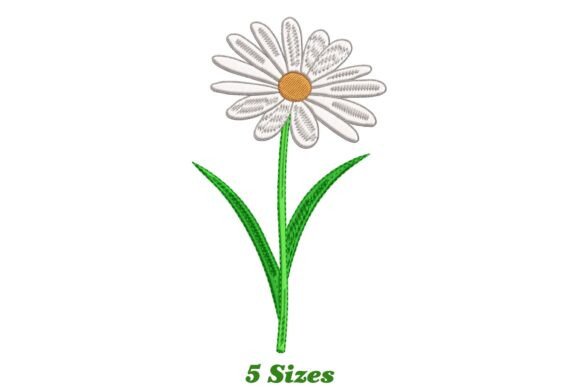
The description of Violet Flower suggests a balance between elegance and whimsy. In the context of Single Flowers Plants, this design likely avoids being overly stiff or botanical-textbook accurate, leaning instead into a stylized aesthetic that appeals to modern handmade shoppers. My first impression is that this design serves as an excellent "bridge" graphic. It is feminine without being juvenile, making it appropriate for both adult apparel and nursery decor.
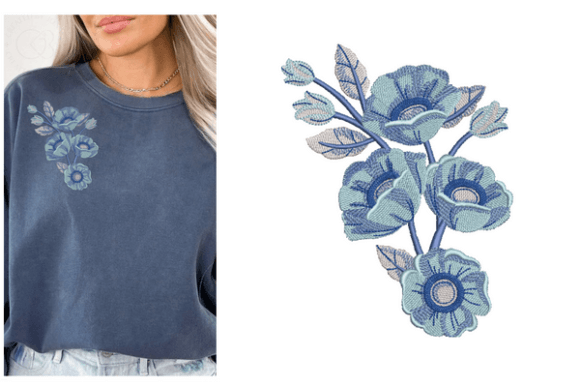
For a craft fair display, visual hierarchy is everything. Customers scan tables quickly. A design labeled as "cool" and "fanciful" implies dynamic stitch direction or unique color blending rather than a flat, dense fill. This is crucial for booth appeal because texture sells. If the Violet Flower utilizes varied stitch types to create petal depth, it will catch the light differently than the surrounding fabric, drawing the customer’s hand to touch the product. Tactile engagement significantly increases conversion rates at markets. As a handmade product, this floral motif feels premium yet accessible, fitting perfectly into the sweet spot of impulse-buy pricing for accessories while justifying higher price points for home goods.
Product Performance Across Categories
Evaluating where to place Violet Flower requires matching the design's personality with the function of the blank. Based on the playful nature of the artwork, here is how I would prioritize production for a weekend market:
- Tote Bag Design: This is likely your highest volume seller. The "playful" aspect of the violet translates beautifully to canvas totes. Positioning the flower slightly off-center or near the bottom hem creates a modern, artistic look that distinguishes it from generic center-chest florals.
- Tea Towel Embroidery: Kitchen linens are craft fair staples. Because violets are naturally associated with gardens and cottage aesthetics, this design works exceptionally well on flour sack towels. However, ensure the design has enough open space to prevent the towel from becoming too stiff after washing.
- Apron Embroidery: For aprons, consider scaling. A large, bold violet makes a statement piece for chefs and bakers, while a smaller cluster works better as a pocket accent. The "fanciful" descriptor suggests this design can handle the curved surface of an apron bib without distorting visually.
- Embroidered Patches: If you have a heat press or iron-on backing supplies, this flower is a prime candidate for patches. Patches allow customers to customize their own denim jackets or caps at home, extending your sales beyond finished goods.
- Caps and Hats: Proceed with caution here. While the design adds flair, the curved surface of a cap requires a digitized file specifically optimized for hats. If Violet Flower is a standard flat embroidery file, test it on a structured cap first to ensure the petals do not gap or pucker.
Production Practicality and Batch Efficiency
When preparing for a show, time is money. I evaluate Violet Flower based on repeatability. Does this design require twelve thread changes? If so, it might be too labor-intensive for batch-producing twenty tea towels. A "cool" design often implies multi-color gradients, but for commercial embroidery efficiency, I look for smart color blocking. Ideally, the violet should use three to four colors maximum to keep run times low and profit margins high.
Photographing this design for online listings and printable mockups is another consideration. Floral designs can sometimes appear muddy in photos if the contrast is low. Before listing this as a digital asset or selling the finished product online, verify that the thread colors pop against your chosen background. The "fanciful" elements should read clearly even in a thumbnail image on a mobile device. If the details get lost at small sizes, reserve this design for larger formats like pillow covers or market bags rather than left-chest polos.
Critical Technical Considerations
Even the most beautiful design can fail if technical parameters are ignored. As experienced embroiderers know, the digital preview rarely tells the whole story. Here are specific cautions for Violet Flower:
- Stitch Density on Textured Fabrics: The description mentions stitching onto towels. Terry cloth and waffle weave have high pile. If the violet petals are satin stitches with insufficient underlay, the fabric texture will push through, ruining the definition. Always use a water-soluble topping when applying this design to textured surfaces.
- Small Detail Clarity: "Fanciful" often means intricate stamens or thin stems. Check the minimum size recommendations. Scaling down a complex floral design below 3 inches often results in thread breaks or unrecognizable shapes. Verify the smallest viable hoop size before committing to baby onesies or sleeve cuffs.
- Fabric Texture Compatibility: While great for cotton and canvas, test this design on performance fabrics or dark synthetics. Dark fabrics can swallow lighter purple threads unless there is adequate contrast or a white outline. Ensure the digitizer accounted for pull compensation, especially if the petals are long and narrow.
- Stabilizer Selection: Do not rely solely on tear-away stabilizer for this design if it includes delicate script or thin floral elements. A cut-away stabilizer provides permanent support, preventing the "playful" accents from warping after the first laundry cycle.
Designer Notes for Commercial Success
Before loading Violet Flower into your machine for a full production run, treat it like any professional craft fair product. Run a sew-out on scrap fabric that matches your final substrate weight. Inspect the registration marks; do the leaves align perfectly with the stem? Are the thread colors vibrant enough to stand out under artificial market lighting?
Furthermore, confirm your licensing. Just because you purchased a digital embroidery file does not automatically grant unlimited commercial rights for finished products. Review the designer’s terms specifically regarding mass production versus small-batch handmade sales. Protecting your business means respecting intellectual property while building your brand.
Finally, create at least one physical sample specifically for photography. While printable mockups are useful for digital listings, craft fair customers want to see stitch quality. Display your best Violet Flower sample at eye level. Pair it with complementary items to suggest gifting bundles—perhaps a violet tea towel matched with a coordinating oven mitt. By treating this design as a strategic asset rather than just another pretty picture, you elevate your entire booth presentation. Whether you are an established Etsy seller or a budding boutique maker, Violet Flower offers the potential for significant ROI, provided you respect the technical nuances of translating digital art into stitched reality.