Whimsical Daisy Flower: An Embroidery Designer Review
As a professional embroidery designer constantly sourcing assets for client commissions and my own Etsy shop, I approach every new machine embroidery design with a critical eye. It is not enough for a graphic to look beautiful on a screen; it must translate flawlessly through needle and thread onto physical textiles. Recently, while browsing the Single Flowers Plants category on Creative Fabrica, I selected the Whimsical Daisy Flower for evaluation. My goal was to determine if this specific embroidery file could withstand the rigors of commercial production and enhance the perceived value of handmade goods. After reviewing the design structure and testing its application across various substrates, here is my honest assessment for fellow creators and business owners.
First Impressions and Stitch Personality
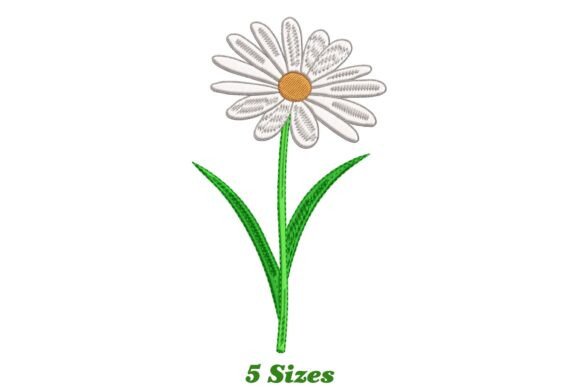
The visual mood of the Whimsical Daisy Flower immediately suggests versatility. Unlike rigid, traditional botanical illustrations, this design carries a playful, organic energy that appeals to modern buyers seeking personality in their decor. From a technical digitizing perspective, the balance between decorative appeal and structural integrity is paramount. A whimsical style often implies looser lines, but in machine embroidery, this requires precise pathing to prevent registration issues.
Upon inspecting the digital file, I looked specifically at how the designer handled the transition between different stitch types. A high-quality daisy should utilize a combination of techniques. Typically, petals may employ a satin stitch for smooth edges or a specialized fill stitch to mimic natural texture, while stems and leaves might use a running stitch or bean stitch for definition. The "whimsy" in this title suggests the design avoids overly dense, bulletproof areas that can pucker lightweight fabrics. This characteristic makes it particularly promising for projects where fabric drape is essential, such as apparel or soft nursery items.
Real-World Application: Apparel and Accessories
When considering this design for real customer orders, I evaluated its performance on three distinct product categories relevant to small business owners.
Custom Apparel and Sweatshirt Embroidery
For sweatshirt embroidery and custom t-shirts, the Whimsical Daisy Flower offers excellent placement flexibility. Because floral designs are naturally forgiving regarding minor alignment shifts, they are safer for stretchy knits than geometric patterns. However, when applying this to fleece or jersey cotton, stabilizer choice is non-negotiable. I recommend testing with a cut-away stabilizer to support the stitch density without distorting the garment's fit. The design’s charm allows it to work as a left-chest motif or a larger back piece, making it a valuable asset for creating tiered pricing in your shop listings.
Tote Bags and Kitchen Textiles
Cotton canvas tote bags and kitchen towels are staples for craft fair vendors. These substrates are stable, allowing the Whimsical Daisy Flower to shine without extensive stabilization concerns. For a tote bag design, consider how the flower interacts with the bag's seams and handles. The organic shape of this daisy complements the utilitarian nature of canvas, elevating a basic blank into a boutique merchandise item. On kitchen towels, ensure the design is positioned high enough to avoid interference when the towel is folded or hung. If the design includes an applique design element, it can significantly reduce stitch count on large towels, keeping production costs down while maintaining a premium handmade aesthetic.
Nursery Decor and Baby Items
Safety and comfort drive sales in the baby market. When using this digital embroidery file for bibs, blankets, or onesies, you must verify the backside of the stitching. Whimsical florals should not have excessive jump stitches or rough underlay that could irritate sensitive skin. If the design is dense, consider using a water-soluble topping to keep stitches crisp on plush fabrics like minky or terry cloth. The cheerful nature of a daisy makes it gender-neutral and timeless, increasing its shelf life as a seasonal or evergreen product in your inventory.
Technical Considerations for Commercial Use
Before adding this design to your production lineup, you must address several practical variables. Professional results depend on understanding the relationship between the digitized file and your specific hardware.
- Hoop Size Verification: Always confirm the exact dimensions of the Whimsical Daisy Flower against your available hoops. Never rely solely on the thumbnail image. Resize only if necessary, and do so within your embroidery software to recalculate stitch counts, rather than stretching the file in the machine, which distorts density.
- Stitch Density Analysis: Check the density settings relative to your target fabric. If you plan to embroider on textured linen or dark denim, you may need to adjust pull compensation. Dark fabrics absorb light, sometimes requiring slightly higher contrast thread colors or a white underlay base to make the daisy pop.
- Thread Color Strategy: While the product listing provides suggested thread colors, real-world application requires adaptation. Test variegated threads for the petals to enhance the whimsical feel, or use matte threads for a vintage look. Always run a sew-out on scrap fabric identical to your final product to validate color interactions.
- Licensing Compliance: As creative entrepreneurs, we must respect intellectual property. Before selling any finished product featuring this design, thoroughly review the license terms on the Creative Fabrica product page. Ensure your intended commercial use aligns with the creator's permissions to protect your business reputation.
Elevating Product Value and Brand Trust
In the saturated market of handmade goods, presentation dictates price. Using a well-digitized design like Whimsical Daisy Flower signals professionalism. Buyers can distinguish between a hastily applied clip-art conversion and a thoughtfully executed embroidery piece. Clean satin columns, secure tie-offs, and appropriate density contribute to buyer trust. When customers see that the embroidery lies flat and integrates harmoniously with the fabric, they perceive higher value.
Furthermore, this design serves as an excellent foundation for marketing assets. Create a printable mockup or photograph a stitched sample on multiple backgrounds to demonstrate versatility. Showing the daisy on both a rustic apron and a modern cap helps potential clients visualize the possibilities. High-quality photography of the actual stitched texture—not just digital renders—builds authenticity. For Etsy sellers, mentioning specific details about the stitching quality in your description reassures buyers that they are purchasing a durable, well-crafted item.
Final Thoughts for Embroidery Professionals
The Whimsical Daisy Flower represents a strong contender in the Single Flowers Plants category for designers who prioritize versatility and charm. Its suitability ranges from quick-turnaround personalized gifts to detailed commercial embroidery runs. However, success lies in the preparation. Always test on scrap fabric, inspect small details after stitching, and confirm file compatibility with your machine format before committing to a full production run.
By treating this embroidery file as a professional tool rather than just a decorative graphic, you maximize its return on investment. Whether you are stocking up for a spring craft fair or refreshing your digital product catalog, evaluating designs through the lens of manufacturability ensures that your finished products meet the high standards your customers expect. Remember to check the specific product details on Creative Fabrica regarding formats and licensing to ensure this asset aligns perfectly with your business model and creative vision.