Freesia Flower: A Designer’s Stitch-Out Review
When evaluating a new machine embroidery design for professional or commercial use, I look beyond the digital preview. As an experienced designer and product reviewer, my primary concern is how the file translates from screen to fabric. The Freesia Flower design presents itself as a versatile botanical motif, but its true value lies in its stitch integrity and adaptability across different substrates. In the crowded category of Single Flowers Plants, this specific design stands out for its potential to add whimsy without sacrificing structural stability, provided it is applied with intention.
First Impressions and Visual Personality
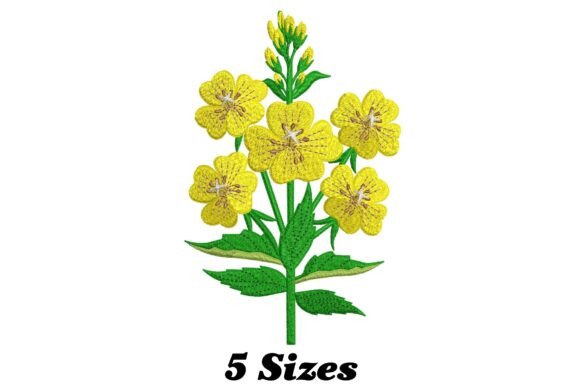
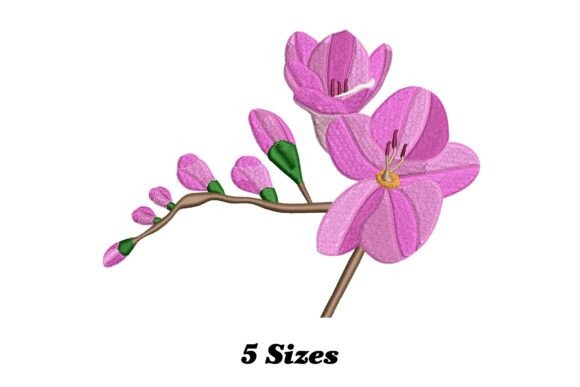
Upon loading the embroidery file into my digitizing software, the Freesia Flower immediately communicates a soft, organic aesthetic. Unlike rigid, geometric florals that can sometimes feel dated, this design utilizes curves and varying stitch angles to mimic the natural trumpet shape of the freesia bloom. For an Etsy seller or boutique owner, this visual personality is crucial. It strikes a balance between vintage charm and modern freshness, making it suitable for both heirloom-style baby embroidery and contemporary custom apparel.
The layout suggests a thoughtful distribution of stitch density. Visually, the petals appear to have enough coverage to read clearly on camera for printable mockups, yet they do not look overly dense in the simulation. This is a positive indicator for stitching on lighter weight fabrics where excessive thread buildup could cause puckering or distortion. The design feels airy rather than heavy, which is essential when creating items meant to be worn or handled frequently.
Real-World Application: The Linen Tote Test
To truly judge the viability of the Freesia Flower for a handmade product, I approached this review with a specific project in mind: a custom embroidered tote bag intended for a spring market collection. Tote bags require designs that are durable, visually legible from a distance, and capable of withstanding the texture of canvas or linen.
In this scenario, the Freesia Flower performed admirably as a focal point. When positioning the design, I found that its natural stem line acted as an excellent anchor for placement. For tote bag design work, centering can sometimes result in a stiff appearance, but the organic flow of this freesia allowed me to place it slightly off-center while maintaining visual balance. During the stitch-out, the transition between the satin stitch outlines and the interior fill stitch was smooth. There were no unnecessary jumps or trims that would require excessive post-production cleanup, which is a significant time-saver for any craft business operating on tight margins.
The resulting finished product had a tactile quality that elevated the perceived value of the bag. Customers often associate high-quality embroidery with clean registration and appropriate density. Because the Freesia Flower maintained its shape without sinking into the linen weave, it projected a sense of professionalism that justifies a higher price point for small shop products.
Navigating Fabric Variables and Stabilization
While the design is versatile, practical experience dictates that not all fabrics treat floral motifs equally. When using the Freesia Flower on stretchy knits for sweatshirt embroidery or t-shirts, stabilization is non-negotiable. The design likely contains directional stitches that can push against the grain of jersey fabric. I strongly recommend testing with a cut-away stabilizer rather than tear-away to prevent the flower from distorting after washing. For commercial embroidery shops producing apparel runs, verifying that the design does not pull the neckline or chest area out of alignment is a critical quality control step.
Conversely, when applying this design to textured home decor items like tea towels or pillow covers, the challenge shifts to visibility. Highly textured terry cloth or waffle weave can swallow fine details. If you are planning to use the Freesia Flower on these surfaces, consider adding a water-soluble topping to keep the running stitch details crisp. Without this precaution, the delicate definition of the freesia petals may get lost in the pile of the fabric, reducing the impact of your personalized gift or retail item.
For those considering this as an applique design variation, check the underlying structure first. Some floral files include built-in placement lines for fabric overlays. If this version relies solely on direct embroidery, ensure your thread colors provide sufficient contrast against the base fabric. A tone-on-tone approach works beautifully for luxury nursery decor, but for high-visibility merchandise like caps or aprons, bolder contrast ensures the design reads quickly in photographs and on display shelves.
Commercial Viability and Brand Consistency
For creative entrepreneurs and digital product sellers, consistency is key to building brand recognition. The Freesia Flower offers a distinct style that can serve as a signature element across various collections. However, before listing any digital embroidery file or finished item, you must verify the licensing terms. Ensure you have the right to sell physical products featuring this design or to include it in bundled design assets. Ethical business practices protect both the original digitizer and your own reputation.
From a marketing perspective, this design photographs well. The organic shapes create negative space that makes for engaging social media content. When creating listings for holiday embroidery or wedding gifts, the Freesia Flower pairs naturally with script fonts. Just be mindful of spacing; the intricate nature of the bloom requires breathing room. Crowding it next to bold block lettering can make the overall composition feel cluttered. Instead, let the flower stand as a complementary accent to personalized text, enhancing the narrative of the piece without competing for attention.
Essential Pre-Stitch Checklist for Makers
Before committing the Freesia Flower to a final production run or client project, adhere to this practical evaluation protocol:
- Verify Hoop Compatibility: Always confirm the exact dimensions of the design against your available hoop size. Do not assume standard sizing; measure the actual stitch field to avoid running out of space during the final trim sequence.
- Test on Scrap Material: Never stitch directly onto a high-value garment without a test run. Use a scrap of the exact same fabric and stabilizer combination you plan to use for the final embroidery project. This reveals tension issues or density problems that software cannot predict.
- Audit Thread Contrast: View your color chart in grayscale. If the petals blend into the background in black and white, the design will lack depth in real life. Adjust thread colors to ensure distinct separation between elements.
- Check Small Detail Integrity: Inspect the smallest leaves or stamens. If they are thinner than 1mm, they may not register clearly on coarse fabrics. You may need to simplify these areas manually for certain applications.
- Evaluate Washability: If creating baby items or kitchen textiles, perform a wash test. Botanical designs with long satin stitches can snag easily. Ensure the stitch density is secure enough to withstand laundering without unraveling.
- Review Licensing for Resale: Double-check whether the license permits mass production or limits sales to small-batch handmade items. This distinction is vital for scaling your craft business legally.
Final Thoughts on Design Utility
The Freesia Flower is more than just a pretty botanical; it is a functional asset for makers who understand the nuances of machine embroidery. Its success depends entirely on the user's willingness to respect fabric limitations and stabilization requirements. When executed correctly, it transforms plain goods into desirable, high-value merchandise. Whether you are embellishing a delicate baby bonnet or branding a sturdy canvas tote, this design offers the flexibility needed for diverse product lines. By approaching it with a critical, technical eye rather than just an artistic one, you ensure that every stitch contributes to a professional, lasting result that satisfies both the maker and the end customer.