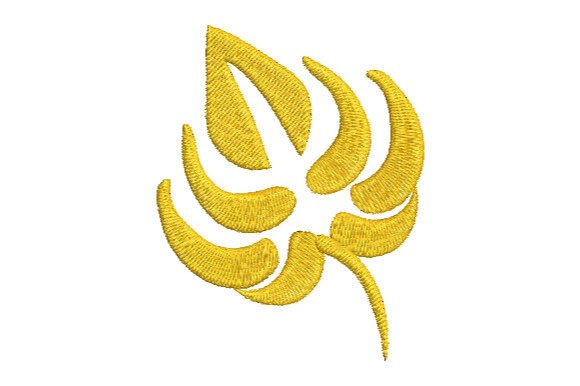
Golden Bodhi Leaf: A Designer’s Stitch Test
As a professional embroidery digitizer and product reviewer, I approach every new machine embroidery design with a healthy dose of skepticism. The market is flooded with files that look stunning on screen but fail catastrophically under the needle. When I first loaded the Golden Bodhi Leaf into my software, I wasn't just looking for aesthetic beauty; I was analyzing stitch pathing, density balance, and real-world viability for my clients. This design falls into the Freebies category, which often makes me cautious, but after running a comprehensive test stitch-out, I found this embroidery file to be a surprisingly robust asset for both personal makers and commercial creators.
First Impressions and Visual Weight
The Golden Bodhi Leaf carries a distinct visual personality that separates it from generic botanical motifs. The shape is inherently spiritual and organic, suggesting mindfulness and natural elegance. From a design perspective, the leaf structure offers excellent opportunities for varied stitch types. The central vein typically requires a steady hand or clean digitizing to avoid puckering, while the outer edges demand precision to maintain that iconic heart-like silhouette. What struck me immediately was the potential for color play. While "Golden" implies metallics or warm yellows, the underlying architecture of this embroidery project supports everything from earthy greens to monochromatic blacks. It feels less like a clip-art graphic and more like a deliberate piece of textile art intended to elevate a handmade product.
Real-World Application: The Custom Tote Bag Test
To truly evaluate this design, I moved beyond the digital preview and applied it to a practical scenario: creating a premium canvas tote bag for a boutique client. Tote bags are high-traffic items that face friction, washing, and heavy loads. A delicate design can easily get lost or damaged on such a rugged substrate.
I chose a natural unbleached canvas to contrast with rich gold and olive thread colors. During the stitching process, I paid close attention to how the design handled the fabric texture. Canvas has a pronounced weave that can swallow fine details. Fortunately, the Golden Bodhi Leaf held its integrity. If you are an Etsy seller or small shop owner planning to use this for merchandise, this specific application proves its worth. The design scales well enough to serve as a focal point on a tote bag design without becoming so dense that it creates a bulletproof patch of thread that distorts the bag's drape. For my client, the result was a sophisticated, boho-chic accessory that justified a higher price point than standard printed alternatives.
Fabric Compatibility and Stabilizer Strategy
Versatility is the hallmark of a useful digital embroidery file, but versatility requires technical knowledge. Based on my testing, here is how the Golden Bodhi Leaf performs across different mediums:
- Custom Apparel and Sweatshirts: On fleece or french terry, the design sits beautifully. However, because these fabrics have stretch and pile, you must use a cut-away stabilizer and potentially a water-soluble topping. Without a topping, the stitches may sink into the fleece, obscuring the intricate veins of the leaf.
- Baby Embroidery: If using this for onesies or bibs, check the stitch density. Baby skin is sensitive, and overly dense designs can feel scratchy or stiff. I recommend testing a low-density version or placing the design on a yoke area rather than directly against the chest.
- Hats and Caps: Curved surfaces are tricky. The vertical orientation of a bodhi leaf can work on caps, but ensure your hoop size accommodates the height without hitting the brim hardware. Distortion is common here; always do a curved surface test before committing to a production run.
- Handkerchiefs and Thin Fabrics: Lightweight cottons require tear-away stabilizer and careful tension adjustment. The Golden Bodhi Leaf likely contains satin stitch elements for borders; if the tension is too tight on thin fabric, you will experience tunneling.
Commercial Viability for Makers and Sellers
For creative entrepreneurs, time is money. A design that causes frequent thread breaks, registration errors, or customer complaints is a liability. In my assessment, the Golden Bodhi Leaf is a safe bet for commercial embroidery workflows, provided you respect the technical parameters. Its universal appeal makes it suitable for diverse niches, from yoga studio branding to wedding favor personalized gifts.
If you are selling finished goods, consider how this design photographs. The interplay of light on satin stitches gives the leaf a dimensional quality that translates exceptionally well in printable mockups and listing photos. This visual depth increases perceived value and buyer engagement. Furthermore, because the motif is culturally significant yet aesthetically neutral, it avoids trending fads, making it a sustainable addition to your core catalog of design assets. Just remember to verify the licensing terms included with this freebie to confirm you have the right to sell physical products featuring this artwork.
Critical Cautions and Designer Notes
No design is perfect for every situation. As someone who has ruined expensive garments learning hard lessons, I urge you to observe the following precautions with the Golden Bodhi Leaf:
- Always Test First: Never stitch this directly onto a final product without a scrap fabric test. Verify that the applique design elements (if present) align correctly with the tack-down and finish stitches.
- Mind the Dark Fabrics: Gold thread on black fabric looks luxurious, but gold thread on navy or dark green can sometimes lack contrast depending on the sheen. Test your specific thread brand against your fabric choice.
- Check Small Details: If resizing the design down significantly, inspect the smallest points of the leaf. Satin stitches below 1mm can cause needle breaks or fraying. You may need to convert tiny satin columns to running stitch or fill stitch for miniature versions.
- Washability: If using metallic threads to achieve the "Golden" effect, advise customers to wash gently. Metallics are abrasive and can degrade faster than rayon or polyester. For high-wear items like aprons or kids' clothes, consider a high-sheen polyester in gold tone instead of actual metallic thread.
Elevating Your Embroidery Portfolio
Ultimately, the Golden Bodhi Leaf is more than just a pretty freebie; it is a functional tool for expanding your product range. Whether you are embellishing a pillow cover for home decor, creating an embroidered patch for denim jackets, or designing holiday embroidery for seasonal markets, this motif offers a blend of elegance and adaptability. By applying professional stabilization techniques, respecting fabric limitations, and testing thoroughly, you can transform this digital file into tangible, profitable, and beautiful creations. Treat it with the same rigor you would apply to a paid premium design, and it will reward you with consistent, high-quality results that satisfy both your artistic standards and your customers' expectations.