Sunflower Weed: A Review for Handmade Gifts
As an embroidery designer who has stitched out thousands of floral motifs for client orders, I am always on the lookout for designs that bridge the gap between rustic charm and modern elegance. When browsing the Single Flowers Plants category on Creative Fabrica, the Sunflower Weed embroidery design immediately caught my eye. It is not just another generic sunflower; it carries a specific, organic character that feels authentically handmade. For those of us running Etsy shops or creating personalized gifts for loved ones, finding a machine embroidery design that evokes genuine emotion is half the battle. This review breaks down how this specific digital embroidery file performs in real-world applications, from nursery decor to custom apparel.
First Impressions: Organic Warmth and Visual Softness
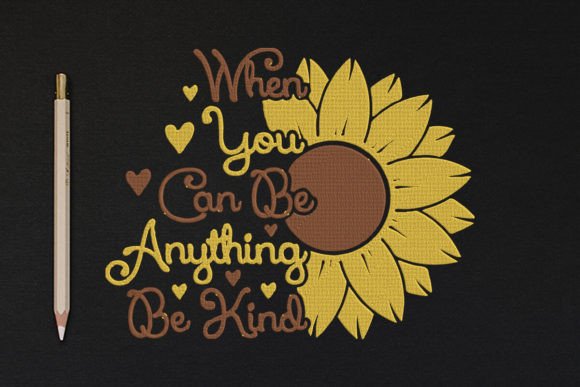
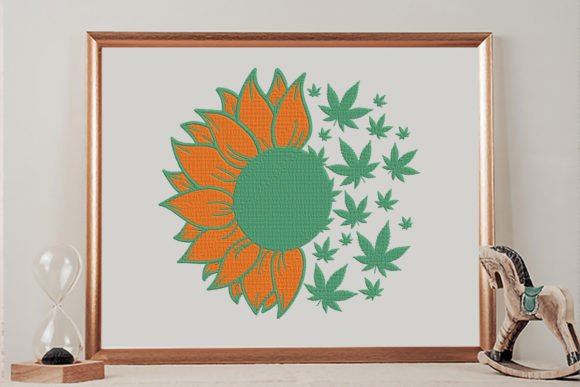
My first impression of Sunflower Weed was its distinct visual softness. Unlike rigid, cartoonish florals that can sometimes look stiff when stitched, this design possesses a natural flow. The inclusion of the "weed" element alongside the bloom adds a layer of botanical realism that elevates the aesthetic. It feels sweet yet grounded, making it versatile enough for a cozy family pillow cover or a romantic wedding gift. The decorative style strikes a balance between classic farmhouse and contemporary cottagecore, which is currently trending heavily in the handmade product market.
For an Etsy seller, this emotional appeal is critical. Customers are not just buying thread on fabric; they are buying a feeling. The Sunflower Weed design communicates warmth and nostalgia instantly. Whether you are aiming for a playful vibe for baby embroidery or a more elegant tone for home decor, the artwork provides a solid foundation. It avoids being overly seasonal, meaning you can sell finished products featuring this motif year-round rather than just during late summer harvest festivals.
Real-World Applications for Personalized Gifts
The true test of any embroidery file is its versatility across different substrates. Based on the composition of Sunflower Weed, I can confidently recommend it for several high-value project categories.
- Nursery and Baby Items: The gentle nature of this design makes it perfect for blanket embroidery. Because it lacks harsh edges or aggressive styling, it suits gender-neutral nurseries beautifully. Imagine this stitched in muted golds and sage greens on a cream waffle knit blanket.
- Wedding and Anniversary Gifts: Sunflowers symbolize adoration and loyalty. Using Sunflower Weed on an embroidered towel set or a linen ring bearer pillow adds meaningful symbolism without being cliché. The organic stems allow the design to wrap gracefully around corners or cuffs.
- Everyday Carry and Apparel: As noted in the product description, this design works wonderfully on tote bags and jackets. For a denim jacket back patch, the contrast of bright yellow thread against indigo creates a stunning pop. On canvas totes, it offers that quintessential farmer’s market aesthetic that buyers love.
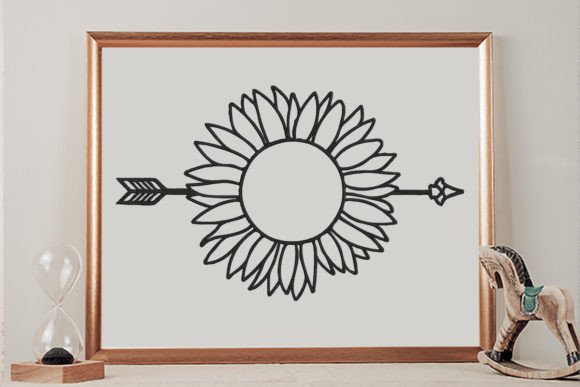
- Home Decor: Beyond pillows, consider framed artwork. Hooping a textured linen and stitching Sunflower Weed as a standalone art piece transforms a digital file into tangible wall decor. This is an excellent way to utilize commercial embroidery capabilities for higher-ticket items.
Technical Considerations: Stitch Density and Fabric Texture
While the artistic merit is high, we must address practical concerns to ensure professional results. When working with botanical designs like Sunflower Weed, stitch density is a primary factor. Floral centers often contain complex fill stitches that can cause puckering if not stabilized correctly. Before committing to a final personalized gift, you must assess the density relative to your chosen fabric.
If you are stitching on textured towels or thick blankets, the delicate shapes of the leaves and petals may get lost in the pile. In these cases, using a water-soluble topping is non-negotiable to keep the details crisp. Conversely, if you are working on stretchy baby clothes or lightweight knits, the density might be too heavy, leading to distortion. Always pair this design with the appropriate stabilizer—cut-away for stretch fabrics and tear-away for stable woven linens.
Thread colors also play a massive role in the final perception of quality. While standard yellow and green work, I encourage experimenting with variegated threads for the weed elements to mimic natural color variations. Dark fabrics require careful planning; ensure there is enough contrast so the intricate stem work does not disappear. Small lettering, if you choose to add personalization alongside the flower, should be tested separately to ensure legibility next to the denser floral elements.
Building Customer Trust Through Quality Presentation
For small shop owners and digital product sellers, the perceived quality of your output directly influences buyer engagement. A poorly executed stitch-out of Sunflower Weed will result in returns and negative reviews, while a pristine execution builds trust. When listing this as a custom embroidery option, your product photography should highlight the texture and dimension of the stitches.
Consider creating printable mockups that accurately represent the scale of the design on various items. Buyers need to visualize how the Sunflower Weed looks on a standard pillow cover versus a small apron pocket. Accurate representation reduces customer anxiety and increases conversion rates. Furthermore, emphasizing the handmade presentation—such as showing the back of the embroidery or the packaging—reinforces the value proposition. When customers see that you have taken care to align the design perfectly and trim excess stabilizer, they perceive the item as a premium handmade product rather than mass-produced merchandise.
Essential Pre-Stitch Checklist for Success
To ensure your projects using Sunflower Weed meet professional standards, follow this practical workflow before starting any paid order:
- Verify Specifications: Always check the specific hoop size, stitch count, and file formats provided in the Creative Fabrica listing. Do not assume compatibility with your machine without confirming these details first.
- Create a Test Stitch-Out: Never stitch directly onto a final product without testing. Use scrap fabric that matches the weight and texture of your intended item to check for registration issues or puckering.
- Review Licensing: If you plan to sell physical items featuring this design, review the license terms on Creative Fabrica carefully. Ensure your intended commercial embroidery use aligns with the designer's permissions.
- Check Small Details: After your test run, inspect the smallest leaf tips and stem connections. These areas are prone to breaking or sinking into fabric. Adjust tension or add underlay if necessary.
- Confirm Color Fastness: If the finished product will be washed frequently, such as baby embroidery or kitchen towels, test your thread colors for bleeding before delivery.
Elevating Your Embroidery Business with Botanical Charm
Sunflower Weed represents exactly what modern embroiderers need: a design that is artistically pleasing, emotionally resonant, and technically adaptable. Whether you are crafting a sentimental wedding gift, stocking your Etsy shop with seasonal totes, or designing a unique nursery collection, this machine embroidery design offers substantial value. Its ability to transition from playful to elegant makes it a reliable asset in your digital library.
Remember that the success of any embroidered item lies in the marriage of good digitizing and skilled execution. By respecting the technical requirements of stitch density, stabilizer choice, and fabric texture, you transform a simple digital file into a cherished keepsake. For those seeking to expand their repertoire of Single Flowers Plants, Sunflower Weed is a worthy addition that promises to delight both the maker and the recipient. Take the time to test, refine, and present your work with confidence, and this design will undoubtedly become a staple in your personalized gift offerings.