Spring Bluebird and Flowers Embroidery Review
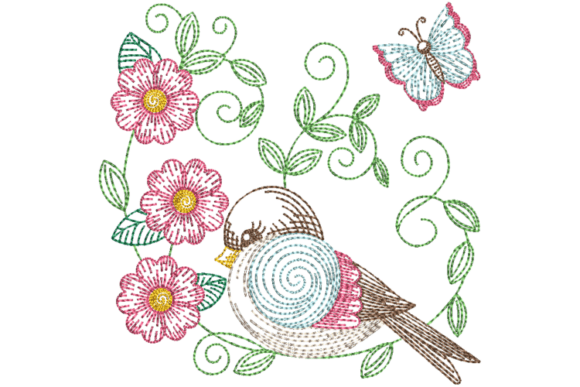
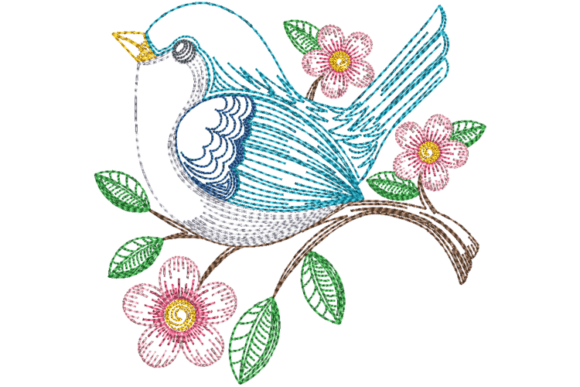
As I prepare my booth inventory for the upcoming weekend craft fair, I am constantly evaluating which designs will actually convert foot traffic into sales. This season, the Spring Bluebird and Flowers Embroidery design has moved to the top of my production queue. When reviewing a new machine embroidery design for commercial use, I look beyond the digital preview to assess how it translates to physical products. This specific design, featuring a beautifully detailed bluebird perched on a blooming branch with stitched pink flowers and lush green leaves, offers a distinct aesthetic advantage for spring markets. It strikes a balance between nostalgic charm and fresh seasonal appeal, making it a versatile asset for any Etsy seller or boutique maker focusing on nature-inspired goods.
First Impressions and Market Aesthetic
Upon loading the embroidery file, the immediate impression is one of soft elegance rather than cartoonish simplicity. In the crowded category of bird-themed crafts, many designs lean too heavily into stylized or juvenile aesthetics. However, this Spring Bluebird and Flowers Embroidery feels grounded in a modern farmhouse or cottagecore style that currently dominates handmade markets. The combination of the bluebird’s vibrant hue against the softer pinks and greens creates a natural focal point without being overwhelming. For a craft fair product, this visual clarity is essential. Customers walking past a booth need to recognize the motif instantly from several feet away. The organic flow of the branch suggests movement, which adds a premium feel to what could otherwise be a static image. It reads as high-quality commercial embroidery rather than a generic clip-art stitch-out, signaling value to buyers looking for authentic handmade products.
Best Performing Products for Craft Fairs
Not every design works on every substrate. Based on the composition of the bluebird and floral elements, I have identified specific items where this design excels as a tote bag design or home decor accent. The vertical-to-square aspect ratio of the branch makes it particularly adaptable.
- Garden Aprons and Utility Totes: This is my primary application for this design. The lush green leaves and pink flowers complement canvas and linen textures perfectly. As an apron embroidery placement, it sits beautifully on the chest bib or lower pocket area, appealing to gardeners and florists who frequent spring markets.
- Flour Sack Tea Towels: For tea towel embroidery, this design serves as an excellent corner anchor. The open space around the bird allows the fabric texture to breathe, preventing the "bulletproof" stiff feeling that dense designs can cause on lightweight cotton.
- Embroidered Patches: Because the outline is distinct and the color blocks are well-defined, this artwork translates effectively into an embroidered patch. Patches are high-margin add-ons at craft fairs, and this bluebird motif appeals to denim jacket customizers and scrapbookers alike.
- Throw Pillow Covers: As a centerpiece on a neutral linen pillow, the design elevates the perceived value of the item. It functions as standalone art, justifying a higher price point for finished home goods.
Production Practicality and Batch Efficiency
For small shop owners, time is money. A beautiful design is useless if it requires excessive troubleshooting during batch production. The Spring Bluebird and Flowers Embroidery appears optimized for efficiency. The transition between the bird and the botanical elements seems to utilize color grouping logically, minimizing unnecessary thread trims and hoop repositioning. This is crucial when running multiple finished products in a single session. Furthermore, the design photographs exceptionally well. Natural motifs with varied colors tend to perform better in printable mockups and online listings because they provide inherent contrast. When photographing samples for social media or marketplace thumbnails, the pink and green tones pop against white or cream backgrounds, reducing the need for heavy post-processing. This visual strength helps maintain brand consistency across both physical booth displays and digital storefronts.
Critical Use Notes and Fabric Considerations
While the design is versatile, experienced embroiderers know that execution matters more than digitization. There are specific scenarios where caution is required to maintain the integrity of the Spring Bluebird and Flowers Embroidery.
Navigating Texture and Density
The description mentions "beautifully detailed" stitching, which often implies higher stitch density. If you plan to use this on textured towels or waffle-weave fabrics, you must adjust your approach. High-pile fabrics can swallow fine details like the bird's eye or flower stamens. Always use a water-soluble topping to keep the stitches crisp. Conversely, if applying this as a small accent on a cap, verify the minimum size limits. Curved surfaces distort rectangular or circular designs; ensure the branch doesn't warp awkwardly over the seam of a structured hat. Dark fabrics also present a challenge. While the bluebird is colorful, the green leaves may disappear against navy or forest green material. Test thread colors beforehand; you may need to lighten the leaf shade to maintain contrast on darker garments.
Sizing and Clarity
Avoid resizing this digital embroidery file below its recommended minimum. Reducing complex floral and avian designs by more than 20% often results in thread buildup and lost definition. If you need a smaller version for a baby onesie or pocket logo, check if the designer offers a specific "light" or "mini" variation rather than shrinking the standard file manually. Maintaining clarity ensures the product looks professional rather than homemade in a pejorative sense.
Designer Checklist for Commercial Success
Before listing any item featuring this design for sale, run through this practical checklist to protect your business reputation and ensure customer satisfaction.
- Verify Licensing: Confirm that your purchase includes rights for selling finished products. Never assume a design assets pack allows for unlimited commercial reproduction without checking the specific terms.
- Stabilizer Selection: Match your stabilizer to the fabric weight. Use cutaway for stretchy knits on market bags and tear-away for stable linens. Incorrect stabilization leads to puckering, which devalues the small shop product.
- Thread Contrast Test: Stitch out a sample using your exact production threads. Screen colors differ from rayon or polyester sheen. Ensure the pink flowers don't blend into a pink fabric base.
- Hoop Size Confirmation: Double-check the dimensions against your available hoops. Attempting to squeeze a design into a hoop that is too tight causes registration errors and flagging.
- Create Physical Mockups: Do not rely solely on software simulations. Photograph a real stitch-out on the actual product you intend to sell. This builds trust with buyers and helps you spot potential placement issues before mass production.
Ultimately, the Spring Bluebird and Flowers Embroidery represents a strong investment for spring collections. Its blend of technical detail and broad aesthetic appeal makes it a reliable performer for everything from tote bag designs to heirloom gifts. By respecting the technical requirements of the embroidery file and pairing it with appropriate substrates, craft fair sellers can create standout inventory that captures the essence of the season and drives profitable engagement.