Roses with Beautiful Branches Embroidery Review
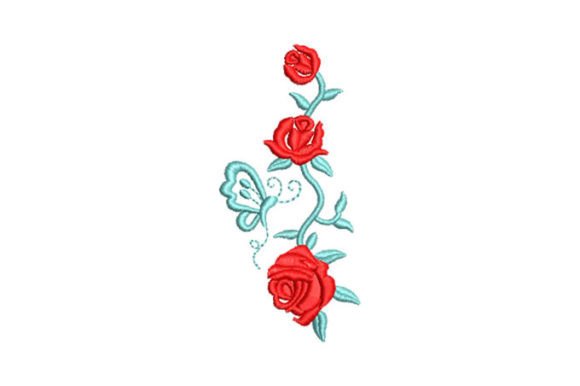
As a professional embroidery designer and product reviewer, I approach every new machine embroidery design with a critical eye. It is not enough for a digital file to look pretty on a screen; it must perform under the needle and add tangible value to a finished product. When evaluating the Roses with Beautiful Branches Embroidery, my primary focus is on how this botanical motif translates from a digital concept to a tactile reality. This design falls within the Single Flowers Plants category, but its inclusion of branching elements elevates it beyond a simple bloom, offering a more organic, flowing aesthetic that appeals to modern makers and boutique owners.
First Impressions and Visual Character
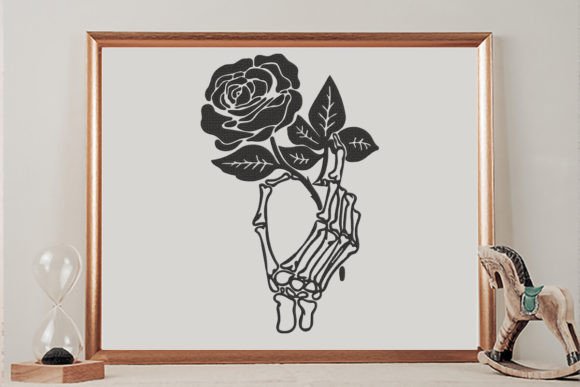
Upon loading the embroidery file into my software, the first thing that stands out is the balance between the floral focal point and the supporting branch structure. Many rose designs suffer from being too dense or overly stylized, resulting in a stiff, bulletproof patch effect. However, Roses with Beautiful Branches Embroidery appears to prioritize flow. The layout suggests a design that breathes, making it an excellent candidate for projects where fabric drape and texture matter. The visual personality strikes a chord between vintage romance and contemporary cottagecore, a sweet spot for Etsy seller listings and personalized gift markets.
The integration of the branches provides necessary negative space. For a craft business owner, this is crucial. Negative space reduces stitch count without sacrificing visual impact, which directly correlates to faster production times and softer garments. As a reviewer, I appreciate when a design respects the substrate it will be stitched onto, and this motif seems engineered with that consideration in mind.
Real-World Application: The Linen Tote Test
To truly judge the viability of this digital embroidery file, I mentally mapped it onto a specific real-life scenario: creating a premium linen tote bag design for a summer boutique collection. Totes are high-stakes items because they are functional, frequently handled, and often serve as walking advertisements for a brand. A heavy, dense design can cause lightweight linen to pucker or sag, ruining the perceived quality.
In this context, Roses with Beautiful Branches Embroidery shines. The branching elements allow the design to span a larger area of the tote face without requiring excessive fill stitch coverage. This maintains the structural integrity of the bag while providing a lush, decorative element. For a small shop product, this efficiency is key. Customers perceive value in intricate artistry, but as makers, we know that value also comes from appropriate material usage. If I were stitching this for a client, I would feel confident that the result would look professional and intentional, rather than like a generic stock graphic slapped onto canvas.
Furthermore, this versatility extends to custom apparel. On a sweatshirt or denim jacket, the organic lines of the branches complement the seams and construction of the garment rather than fighting against them. For baby embroidery projects, such as bibs or nursery blankets, the softer aesthetic avoids the harshness of solid satin blocks, making it safer and more comfortable against sensitive skin, provided the backing is managed correctly.
Technical Considerations and Fabric Compatibility
While the description notes that this wonderful design is beautiful embroidered with any type of fabric, experienced digitizers know that "any fabric" requires nuance. When working with Roses with Beautiful Branches Embroidery, you must consider your stabilizer strategy carefully.
- Stretchy Fabrics: If applying this to jersey knits or performance wear for sweatshirt embroidery, use a cut-away stabilizer. The running stitches in the branch details can distort if the fabric shifts during hooping.
- Textured Surfaces: For terry cloth towels or fleece, consider using a water-soluble topping. Fine details in the rose petals and leaf veins can get lost in the pile of the fabric without this extra step.
- Sheer Materials: If using this for window treatments or organza overlays, verify the stitch density. You may need to adjust the underlay to prevent the design from pulling the delicate base material.
I also advise checking the hoop size requirements before purchasing. The inclusion of branches often means these designs have a wider aspect ratio than standard circular florals. Ensure your machine’s maximum embroidery area accommodates the full composition without needing to re-hoop, which introduces alignment risks. Always test the embroidery project on scrap fabric first. This is non-negotiable for commercial embroidery workflows. A five-minute test stitch-out can save hours of frustration and prevent wasted inventory.
Elevating Brand Value and Customer Trust
For creative entrepreneurs and handmade product sellers, the choice of design assets directly impacts brand perception. Roses with Beautiful Branches Embroidery offers a level of sophistication that separates custom work from mass-produced fast fashion. When a customer sees a well-executed botanical design with clear registration and thoughtful placement, their trust in your craftsmanship increases.
This design is particularly strong for holiday embroidery and wedding goods. The classic rose motif carries inherent emotional weight, making it ideal for anniversary gifts, bridal party robes, or heirloom keepsakes. However, its modern branch styling prevents it from feeling dated. For those selling printable mockups or digital previews, this design photographs beautifully due to its varied texture and depth, helping to drive engagement on social media platforms.
If you are producing embroidered patches, pay close attention to the border definition. The transition from the rose to the branch needs to be clean. In my review assessment, designs that handle this transition well tend to sell better as standalone merchandise because they look complete even without a garment background.
Essential Designer Notes for Success
Before adding Roses with Beautiful Branches Embroidery to your production queue, run through this practical checklist to ensure professional results:
- Verify Licensing: Confirm whether the license permits commercial use for finished products versus digital redistribution. Protecting your business starts with respecting intellectual property.
- Thread Color Contrast: Test thread colors against both light and dark backgrounds. Botanical designs often rely on subtle shading; ensure your green and red tones have enough contrast to be visible on navy or black fabrics.
- Inspect Small Details: Zoom in on the file to check for tiny jump stitches or overlapping satin columns that might cause thread breaks at high speeds.
- Mockup Testing: Create digital previews to see how the scale works relative to different garment sizes. What looks perfect on an adult tote might overwhelm a baby onesie.
- Washability Check: If creating items for frequent washing like kitchen towels or children's clothes, ensure the design density allows for flexibility so threads do not pop after laundering.
Ultimately, Roses with Beautiful Branches Embroidery represents a versatile asset for the serious maker. It bridges the gap between artistic expression and commercial viability. By understanding its technical requirements and best-use scenarios, you can leverage this design to create stunning, high-value items that resonate with customers and stand the test of time. Whether you are decorating custom apparel for a local market or fulfilling bespoke orders for an online store, treating this design with professional respect will yield rewards in both aesthetics and profitability.