Roses Bouquet: Elegant Embroidery for Craft Fairs
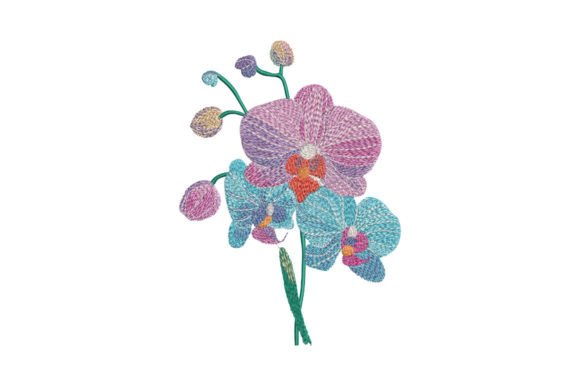
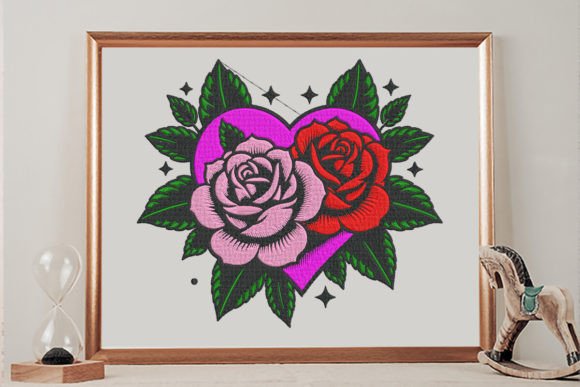
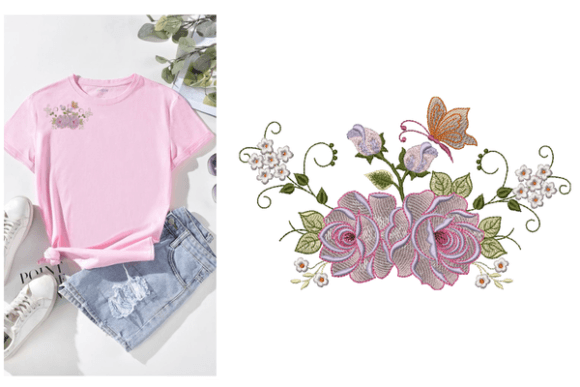
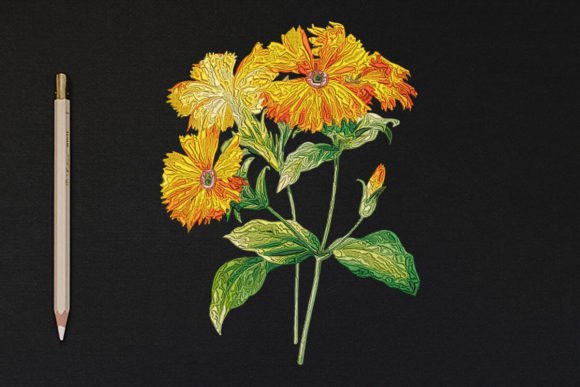
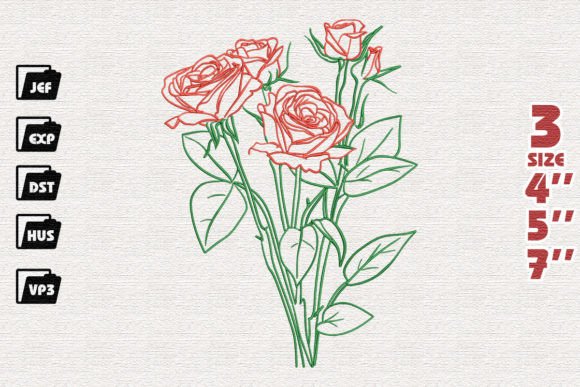
As an embroidery designer preparing for a weekend craft fair, my selection process is rigorous. I do not simply choose designs based on digital previews; I evaluate them based on stitch-out performance, marketability, and production efficiency. When reviewing the Roses Bouquet machine embroidery design, my immediate assessment focuses on its potential as a high-value anchor product. This design showcases a cluster of intricately detailed roses, exuding timeless elegance. Each bloom is artfully rendered with delicate petals and lush leaves, creating a stunning visual that translates exceptionally well from screen to fabric. For sellers targeting customers who appreciate classic aesthetics, this design offers significant commercial promise.
First Impressions and Market Positioning
The first impression of Roses Bouquet is undeniably premium and romantic. In the crowded category of Bouquets Bunches, many designs lean toward cartoonish or overly simplified styles. This file, however, maintains a sophisticated balance. It feels elegant rather than rustic, making it ideal for boutique makers and Etsy sellers aiming for a higher price point. The intricate detailing suggests a level of craftsmanship that justifies a premium cost for finished goods. When displayed at a booth, this design signals quality. It attracts customers looking for heirloom-style gifts, bridal accessories, or elevated home decor rather than quick novelty items. The timeless nature of the rose motif ensures it remains relevant across seasons, reducing the risk of dead stock after the fair ends.
Best Performing Products for Booth Displays
Not every embroidery file suits every product. Based on the description of intricate details and lush foliage, Roses Bouquet performs best on items with smooth textures and adequate surface area. Here is how I evaluate its application across common craft fair inventory:
- Tote Bag Design: This is arguably the strongest application. A natural canvas tote provides the perfect neutral backdrop for the detailed thread colors. The design serves as a focal point that can be seen from a distance, drawing customers into the booth. Ensure the bag material is tight-weave cotton to support the stitch density without puckering.
- Tea Towel Embroidery: Flour sack towels or high-quality linen blends are excellent candidates. The elegance of the bouquet elevates a simple kitchen textile into a giftable handmade product. Avoid terry cloth or waffle weave, as the texture may obscure the delicate petal definition.
- Apron Embroidery: Placing this bouquet on the bib or lower pocket of a linen apron creates a cohesive, professional look. This appeals to chefs, bakers, and gardeners who value aesthetic functionality. The vertical orientation of a bouquet often complements apron straps better than horizontal arrangements.
- Pillow Covers: For home decor vendors, this design adds instant value to throw pillows. The "timeless elegance" mentioned in the product description aligns perfectly with interior styling trends. Use a stabilizer appropriate for the pillow fabric weight to maintain a soft hand feel.
- Fabric Pouches and Zipper Bags: Smaller versions of the design work beautifully on cosmetic bags or pencil cases. These serve as excellent lower-priced entry points for customers who love the aesthetic but have a smaller budget.
Production Practicality and Batch Efficiency
For a small shop product line, repeatability is key. Roses Bouquet appears to be designed with production in mind. The cluster format allows for flexible placement, meaning you can center it on a tote or offset it on a tea towel without losing balance. When evaluating the digital embroidery file, check if the color changes are logical. Excessive jumps or trims slow down batch production and increase finishing time. A well-digitized bouquet should flow naturally from one bloom to the next. Furthermore, this design photographs exceptionally well. The depth created by intricate stitching catches light differently than flat prints, making your printable mockup and Etsy listings pop. High-contrast thread colors against neutral fabrics ensure the design reads clearly in thumbnail images, which is critical for online sales leading up to the fair.
Critical Use Notes and Technical Constraints
While Roses Bouquet is versatile, the "intricate details" require careful handling. As an experienced digitizer and producer, I must highlight specific constraints to prevent production failures:
- Stitch Density Awareness: Detailed floral designs often carry higher stitch counts. Always test on scrap fabric identical to your final product. If the design is too dense for lightweight linen, it may cause tearing or excessive stiffness. Adjusting density or using a lighter weight stabilizer may be necessary.
- Sizing Limitations: Do not shrink this design below its recommended minimum size. Intricate petals and lush leaves will merge into indistinct blobs if reduced too aggressively. If you need a smaller accent, look for a coordinating single-bloom file rather than distorting this bouquet.
- Fabric Texture Compatibility: Avoid heavily textured surfaces like chunky knits or loose-weave burlap. The fine details of the embroidery will get lost in the fabric grain. Smooth, stable substrates are non-negotiable for this level of detail.
- Cap Embroidery Caution: While beautiful, bouquets can be challenging on curved cap surfaces. The distortion caused by the curve may alter the shape of the roses. If attempting caps, use a specialized cap frame and consider a flatter, less dimensional version of the design.
- Dark Fabric Considerations: On dark backgrounds, ensure the digitizer included adequate underlay. Without proper foundation stitches, the top thread may sink into the fabric, dulling the vibrant thread colors and reducing the perceived elegance.
Designer Checklist Before Commercial Production
Before listing any finished product derived from this digital embroidery file, complete this verification process. Skipping these steps is the difference between a professional brand and an amateur hobbyist.
- Verify Commercial Licensing: Confirm that your purchase includes rights for selling finished products. Never assume a license covers commercial embroidery; always check the specific terms provided by the digitizer.
- Confirm Hoop Size Requirements: Measure your available hoops against the design dimensions. Attempting to squeeze a large bouquet into a marginal hoop size leads to registration errors and wasted materials.
- Test Stabilizer Pairings: Run a sample on your exact production fabric. Evaluate the backside for tunneling and the front for coverage. Document the successful stabilizer type and layers for future batch runs.
- Audit Thread Contrast: View the stitched sample in both natural daylight and indoor booth lighting. Colors that look distinct on a monitor may blend together in dimmer environments. Adjust thread selections to maintain clarity.
- Create Physical Mockups: Do not rely solely on software renderings. Stitch out at least one real sample on the intended product. Photograph this actual item for your Etsy listings to build trust with buyers who value authenticity.
- Check Spacing and Margins: Ensure the design sits comfortably within the safe zone of your chosen product. Adequate negative space around the bouquet enhances the premium feel and prevents the design from looking cramped.
Enhancing Brand Value Through Strategic Design
Incorporating Roses Bouquet into your inventory does more than add another SKU; it strengthens your brand identity. Consistent use of elegant, well-executed florals establishes your business as a source for refined handmade goods. At a craft fair, this design acts as a visual anchor. Surround it with complementary solid-color items or simpler text-based pieces to let the bouquet shine. The perceived value of intricate embroidery allows you to command better margins, supporting the sustainability of your creative enterprise. Whether sold as a standalone tea towel or part of a curated gift set, this design delivers the emotional connection that drives sales in the handmade market. By respecting the technical requirements and leveraging its inherent elegance, you transform a digital file into a tangible asset that resonates with discerning customers and supports long-term business growth.