Green Plants Cross Stitch Pattern PDF Review
As I curate my upcoming seasonal collection, I am constantly evaluating which designs will transition seamlessly from autumn harvest themes into winter holidays and spring renewal. The Green Plants Cross Stitch Pattern PDF has caught my attention as a versatile contender for this year’s lineup. When building a cohesive shop collection for Etsy or a local craft fair, versatility is just as important as aesthetic appeal. This review breaks down how this specific pattern performs in real-world production scenarios, focusing on its viability for holiday product creators, apparel decorators, and small business owners looking for reliable Cross Stitch Patterns.
First Impressions: Seasonal Mood and Aesthetic Versatility
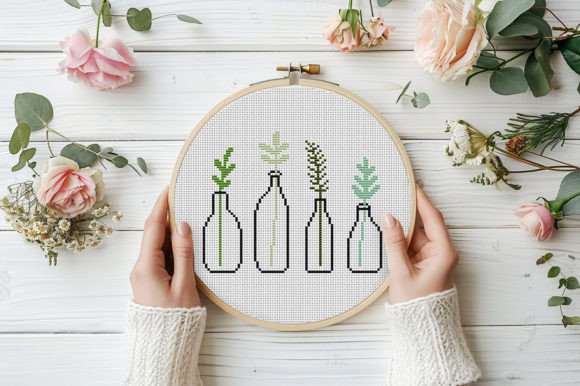
Upon opening the Green Plants Cross Stitch Pattern PDF, the immediate impression is one of organic elegance and timeless simplicity. Unlike hyper-specific holiday graphics that expire on December 26th, this botanical design carries a perennial appeal that feels appropriate for multiple seasons. The mood strikes a balance between rustic nostalgia and modern minimalism, making it an excellent candidate for buyers seeking a handmade gift that feels personal yet refined.
For holiday selling situations, this design avoids the clutter often associated with festive Graphics. Instead, it offers a calming visual anchor. In a market saturated with loud reds and metallic golds, a lush green botanical motif stands out as a sophisticated alternative. It evokes feelings of growth, peace, and natural beauty, which resonates deeply with customers shopping for meaningful personalized gifts or sustainable home decor. Whether positioned as a "Winter Garden" piece or a "Spring Awakening" item, the emotional tone remains consistent: cozy, grounded, and authentically crafted.
Technical Specifications and Production Reality
Before adding any design to a commercial lineup, I must verify the technical constraints. The provided specifications for this pattern are precise: the design area measures 5.50 x 4.36 inches (13.97 x 11.07 cm) with a stitch count of 77 x 61. It is optimized for 14-count Aida fabric using only 5 DMC thread colors. A 6 or 7-inch hoop is recommended.
From a production standpoint, these metrics are highly favorable for small business owners. The limited color palette of five DMC shades significantly reduces thread changes and inventory costs. For those adapting this concept into a machine embroidery design or managing a team of hand-stitchers, fewer colors mean faster turnaround times and lower error rates. The stitch density implied by a 77 x 61 count on 14-count fabric creates a coverage that is substantial enough to be visible on textured fabrics without becoming so dense that it distorts lighter materials. This efficiency makes the Green Plants Cross Stitch Pattern PDF a strong candidate for high-volume seasonal drops where margin and speed are critical.
Strategic Product Applications for Holiday Sales
The true test of any digital embroidery file or pattern is its adaptability across different product categories. Based on the 5.50 x 4.36 inch footprint, here is how I plan to utilize this design in my seasonal shop:
- Kitchen Towel Embroidery: This size is ideal for standard flour sack towels. Placing the design in the lower third creates a balanced look that appeals to hosts and hostesses. The botanical theme pairs perfectly with holiday baking and family gatherings.
- Tote Bag Design: Canvas totes are top sellers during the holiday gifting season. The design area fits comfortably within the printable zone of most standard shoppers, serving as an eco-friendly gift wrapper or a standalone present.
- Pillow Cover Accents: While 5.5 inches may be small for a large lumbar pillow, it works beautifully as an off-center accent on a standard square cushion. This placement adds a designer touch that elevates the perceived value of the finished product.
- Sweatshirt Embroidery: For apparel, this size is perfect for left-chest placement or centered yoke positioning. The manageable stitch count prevents the garment from becoming stiff or heavy, maintaining the cozy drape essential for holiday loungewear.
- Ornaments and Patches: By utilizing only the central motif or scaling the PDF appropriately (if licensing permits), this design can be adapted into embroidered patches or framed ornaments, maximizing the utility of a single pattern purchase.
Navigating Limitations and Fabric Constraints
While the Green Plants Cross Stitch Pattern PDF is robust, experienced designers know where to exercise caution. The recommended 6 or 7-inch hoop size leaves limited negative space around the 5.50 x 4.36 inch design. If you are stitching on bulky items like thick terry cloth towels or fleece blankets, ensure your hoop can accommodate the fabric thickness without popping. You may need to upgrade to a larger hoop or use a magnetic framing system to maintain proper tension.
Additionally, consider the fabric texture when selecting base materials. On high-count linens or dark fabrics, the 14-count specification might require adjustment or the use of waste canvas to maintain clarity. Dark fabrics specifically demand testing; with only five colors, contrast is key. If the greens do not pop against a navy or charcoal background, the design will lose its impact. Always stitch a sample on the exact material intended for sale before listing a small shop product.
For stretchy garments like sweatshirts, stabilizer choice is non-negotiable. The stitch density, while moderate, can still cause puckering on knits if not properly supported. Use a cut-away stabilizer for permanent support and a water-soluble topping to prevent stitches from sinking into the fabric pile. This ensures the holiday embroidery looks professional and withstands repeated washing, which is crucial for customer trust and positive reviews.
Marketing Visuals and Buyer Engagement
In the digital marketplace, your printable mockup is often more important than the physical photo. Because this pattern uses specific DMC colors, create marketing assets that accurately reflect these shades. Misrepresenting thread colors leads to returns and dissatisfaction. When creating listings for Etsy or social media, showcase the design in context. Photograph the kitchen towel embroidery draped over a wooden chair or the tote bag design filled with holiday greenery. Lifestyle imagery helps buyers visualize the item in their own homes, bridging the gap between a digital pattern and a tangible seasonal embroidery treasure.
Furthermore, leverage the "5 Colors" selling point in your descriptions. For beginner crafters buying the PDF, emphasize the accessibility. For buyers of finished goods, highlight the curated color harmony. This transparency builds brand consistency and positions your shop as a knowledgeable resource rather than just a vendor.
Designer Notes for Commercial Success
Before launching products featuring the Green Plants Cross Stitch Pattern PDF, adhere to this practical checklist to ensure quality and compliance:
- Verify Licensing: Confirm whether the PDF license allows for the sale of finished physical products or if it is restricted to personal use. Never assume commercial embroidery rights are included without explicit documentation.
- Thread Testing: Stitch out the five specified DMC colors on both light and dark bases. Natural lighting is essential for verifying color accuracy in photos.
- Hoop Validation: Test the 6-inch and 7-inch hoops with your chosen substrate. Ensure the design area remains centered and taut throughout the stitching process.
- Mockup Accuracy: Create realistic previews that respect the 5.50 x 4.36 inch dimensions. Distorted proportions in promotional graphics erode buyer confidence.
- Wash Testing: If selling apparel or linens, wash and dry a test piece to check for colorfastness and shrinkage. A handmade gift must endure beyond the holiday season.
By approaching the Green Plants Cross Stitch Pattern PDF with both creative vision and technical rigor, you transform a simple digital file into a cornerstone of a profitable seasonal collection. Its blend of aesthetic warmth and production efficiency makes it a valuable asset for any serious embroidery entrepreneur.